

Oxidative Stress From Static Generated By Polyester & Nylon Clothing
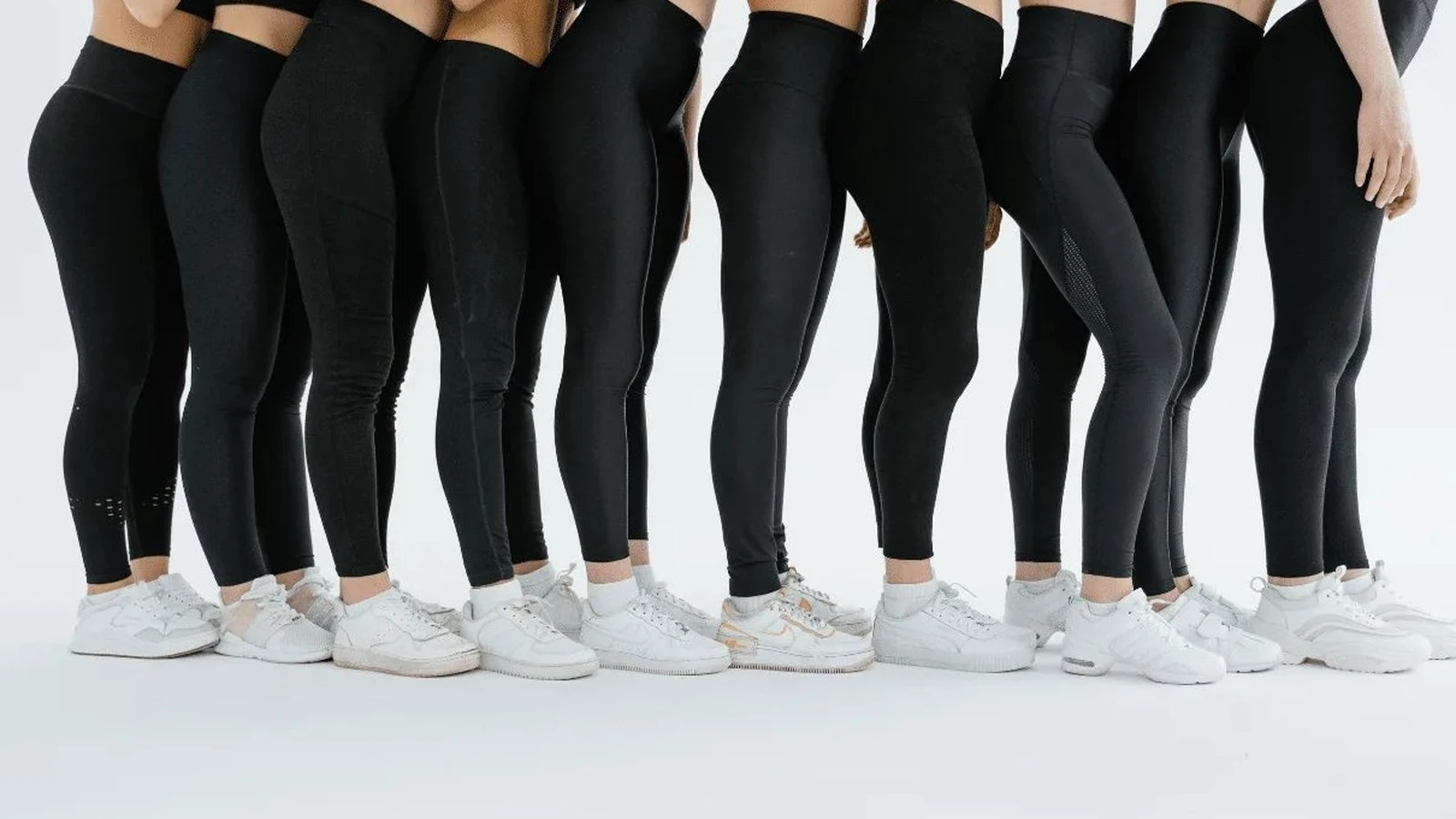
Can polyester and nylon static contribute to oxidative stress?
Oxidative stress from clothing static is the imbalance that can follow when polyester or nylon builds charge against the skin and that discharge helps generate reactive oxygen species. Hemp dissipates charge through moisture in the fiber instead of trapping it.
Oxidative stress from clothing static is the imbalance that can follow when polyester or nylon builds charge against the skin and that discharge helps generate reactive oxygen species (ROS). Natural fibers such as hemp dissipate charge through moisture in the fiber instead of trapping it. That is the practical difference between a synthetic training kit that clings and sparks in dry air, and a plant-based layer that stays calm against the body.
Imperium Fiber exists so the clothes you train in do not add that electrostatic burden. The science below is the reason a Journal reader should care about fiber choice, not just fit. For the broader fabric story, start in the Journal.
What Is Oxidative Stress, and How Does Static Electricity Fit In?
Oxidative stress occurs when reactive oxygen species (free radicals and related molecules) outrun the body's antioxidant defenses and begin to oxidize proteins, lipids, and DNA. That imbalance can damage cells, and lipid peroxidation from ROS can impair cell membranes. ROS are a normal part of metabolism; trouble starts when external triggers (pollution, UV, or electrostatic discharge) add to the load.
Antioxidants such as glutathione and vitamins C and E neutralize ROS. Chronic overwhelm from diet, inflammation, or overtraining can deplete those defenses. In muscle, excess oxidative stress can slow recovery by impairing protein synthesis. Hormonally, it may interfere with signaling pathways such as insulin or cortisol regulation.
Static electricity enters this picture as an external trigger, not as a proven cause of disease on its own. When synthetic fabric charges and discharges against skin, localized electric fields may generate additional ROS. The honest claim is not that a pair of polyester leggings "causes cancer." The honest claim is that oxidative stress is a real cellular process, static electricity is a real byproduct of hydrophobic synthetics, and reducing unnecessary ROS sources against the skin is a reasonable wellness choice.
Why Polyester and Nylon Clothing Create Static Electricity and Oxidative Stress
Polyester and nylon generate static electricity because they are hydrophobic synthetics. They pick up charge through the triboelectric effect, then hold it because they lack the moisture that would let the charge bleed away. That trapped charge is the setup for synthetic-fabric static, and for the ROS discussion that follows.
The Triboelectric Effect in Synthetic-Fabric Static
When polyester or nylon rubs against skin, against another garment, or against itself, electrons transfer and a charge imbalance forms. Nylon and polyester sit low on the triboelectric series: they readily gain electrons and become negatively charged. Smooth, non-porous polyester fibers increase friction, which amplifies charge buildup compared with a rougher natural fiber. The cling, the spark, the hair that stands, that is synthetic-fabric static made visible.
Low Moisture Regain and Reactive Oxygen
Moisture regain is how much water a fiber holds in normal air. Polyester sits near 0.4%; nylon around 4%; hemp around 8–12%. Water molecules in the fiber help conduct and neutralize charge. Without them, charge stays put until it discharges. Static electricity may contribute to oxidative stress by generating reactive oxygen species through electron transfer during electrostatic discharge (ESD). Those ROS, including free radicals, can damage cell membranes and DNA if antioxidant defenses such as glutathione are already stretched, though effects are often secondary to the sensory stress of the shock itself.
What Animal Studies Show About Oxidative Stress
Animal studies on rats exposed to static electricity (0.3–1.9 kV/m) show transient increases in lipid peroxidation and antioxidant enzyme activity (for example superoxide dismutase up 20–50%), suggesting oxidative stress responses in tissues such as the spleen or liver. That is not a one-to-one map onto a human wearing gym tights. It is a reason to take the mechanism seriously: static electricity is not inert against living tissue, and oxidative stress is one of the responses biology already knows how to mount.
How Natural Fibers Reduce Oxidative Stress From Static Electricity
The alternative is not "no performance fabric." It is a fiber that still stretches, wicks, and recovers, but does not store charge against the skin. Hemp-lyocell with a small elastane fraction is Imperium's answer: athletic metrics without the hydrophobic trap that feeds synthetic-fabric static.
Moisture Regain That Dissipates Static Electricity
Hemp's 8–12% moisture regain is the grounding mechanism. Water in the fiber gives charge a path to dissipate, so the garment is less likely to cling, spark, or sit electrically "hot" against the skin. That is the opposite of polyester's ~0.4% regain, which is why dry winter air makes synthetic activewear worse: less ambient humidity, even less dissipation, more static electricity.
Performance Without Synthetic-Fabric Static
A hemp-lyocell yarn with a little elastane can deliver four-way stretch comparable to nylon-lycra for leggings and yoga pants, plus hemp's antimicrobial and thermo-regulating character. You keep compressive support and quick-dry behavior. You drop the hydrophobic surface that traps charge. And because there is no petroleum microfiber, you also drop the wash-off plastic that a nylon replacement is built to eliminate. The wearer versions of that swap are our natural alternative to polyester for athletic wear and nylon athletic wear pages. Read the hemp-lyocell blend guide for ratios and yarn counts.
Choosing Fiber When Oxidative Stress Is the Concern
If the goal is fewer unnecessary ROS sources against the skin, start with what you wear longest and sweatiest: athletic wear, then swimwear and intimates. Look at fiber content, not "performance" hangtags. The wider chemistry picture (PFAS, phthalates, and finishes) is in hormone-disrupting fabrics. A plant-based layer will not make oxidative stress disappear from training, diet, or sunlight (those are larger loads) but it removes a static-electricity source you do not need. Explore Imperium Fiber or more from the Journal, and write hello@heartland.io when you want yarn or fabric for a line. Heartland's sister pieces cover oxidative stress from polyester and nylon static and why polyester and nylon create static. Imperium Fiber is a Heartland Industries brand.
FAQ
Questions mills and brands ask before they spec this cloth.
What moisture regain numbers does this brief tie to oxidative stress from static?
Polyester sits near 0.4 percent moisture regain, nylon around 4 percent, and hemp around 8 to 12 percent. Water in the fiber helps conduct and neutralize charge. Without it, charge stays put until it discharges, which is the setup this page connects to oxidative stress from static.
What do the cited animal studies report about oxidative stress from static?
Animal studies on rats exposed to static electricity at 0.3 to 1.9 kV/m show transient increases in lipid peroxidation and antioxidant enzyme activity, for example superoxide dismutase up 20 to 50 percent, suggesting oxidative stress responses in tissues such as the spleen or liver. That is not a one-to-one map onto a human wearing gym tights.
Should a brand treat oxidative stress from static as proof a polyester garment causes disease?
No. Static electricity enters as an external trigger, not as a proven cause of disease on its own. The honest claim is not that a pair of polyester leggings causes cancer. Oxidative stress from static is a real cellular process, and reducing unnecessary reactive oxygen species against the skin is a reasonable wellness choice.
What construction keeps athletic metrics while lowering oxidative stress from static?
Hemp-lyocell with a small elastane fraction can deliver four-way stretch comparable to nylon-lycra for leggings and yoga pants, plus hemp's antimicrobial and thermo-regulating character. Hemp's 8 to 12 percent moisture regain gives charge a path to dissipate, which is how the cloth addresses oxidative stress from static.
Which categories should a line spec first when oxidative stress from static is the concern?
Start with what is worn longest and sweatiest: athletic wear, then swimwear and intimates. A plant-based layer will not make oxidative stress disappear from training, diet, or sunlight. It removes a static-electricity source the wearer does not need when oxidative stress from static is the concern.