

Activewear, without the plastic
Activewear is where stretch, sweat, and hours of skin contact meet. Most of that cloth is still polyester or nylon. A hemp-lyocell knit can take the same compression curve, from a high-hold bra to a studio pant, without plastic microfiber.
This hub collects the wearer specs, the fiber comparisons, and the next-to-skin chemistry. Article URLs stay in the Journal. Start with the garment you actually sweat in.
34 articles
Is Polyester Bad for You?
Is polyester bad for you? It sheds plastic microfiber in sportswear and intimates, and its finish can carry PFAS. Here is what replaces it next to skin.
What Are BPA-Free Clothes?
BPA-free clothes are tested to carry no bisphenol A. BPA has turned up in polyester-spandex socks and sports bras. Here is what earns the label.
Why Are Microplastics in Drinking Water?
Microplastics are in drinking water because synthetic clothes shed plastic fiber. A hemp mix still stops that shed at the cloth, not at the tap.
Dyeing Hemp Fabric Instead of Polyester
Dyeing hemp fabric follows the cellulosic bath, not polyester's disperse-dye path. Greige and dyed hemp cloth already ship for mill color programs.
Hemp Yarn vs Polyester Yarn for Mills
Hemp yarn vs polyester yarn is a cone choice: plant fiber in a count, or extruded polyester filament. Shed, dye class, and the end cloth follow that choice.
Why Swap Nylon for Hemp Fiber Now?
Swap nylon for hemp fiber now: the yarn and fabric already ship, and another season of nylon filament still sheds plastic microfiber in the wash.
Why Swap Polyester for Hemp Fiber Now?
Swap polyester for hemp fiber now: gym, swim, and bedding yarns already exist, and another season of polyester still sheds plastic microfiber.
Benefits of Wellness Fabrics for Activewear
Benefits of wellness fabrics for activewear follow the wear-time microplastic studies, the pesticide gap versus conventional cotton, and hormone chemistry on sweaty skin.
Wellness Fabric for Activewear
Wellness fabric for activewear is hemp-lyocell knit from one 40/2 yarn, from a high-hold sports bra to a studio pant, with no polyester filament in the cloth.
Wellness Fabric Instead of Nylon
Wellness fabric instead of nylon is hemp-lyocell cloth for the stretch and recovery jobs nylon holds in activewear and swim, without nylon filament in the body.
Wellness Fabric Instead of Polyester
Wellness fabric instead of polyester is plant-based cloth for gym knits, swim, and bedding. The fiber changes. Each category still keeps its own construction.
Wellness Yarn for Activewear
Wellness yarn for activewear is plied 40/2 hemp-lyocell, Ne 20 resultant. One cone covers a bra through a base layer. The knit sets compression.
Wellness Yarn Instead of Polyester
Wellness yarn instead of polyester is the plant-based cone that replaces polyester filament. The count depends on whether the end cloth is activewear, swim, or bedding.
What Is Wellness Fabric?
Wellness fabric is plant-based cloth for the garments and home textiles that sit on skin, with no plastic microfiber shed and no pesticide-grown inputs.
What Is Wellness Yarn?
Wellness yarn is the plant-based yarn a mill knits or weaves. Counts differ by category: 40/2 hemp-lyocell, US hemp with Supima, or 24s hemp/wool.
Hemp and Modal Fabric for Activewear vs Tencel Lyocell
Hemp and modal for activewear pairs bast hemp with silky, high-wet-strength modal, including Lenzing TENCEL Modal. Here is how it differs from Tencel.

Anti-Odor Finishes, Skin Microbiome, and Synthetic Activewear
Anti-odor activewear often relies on antimicrobial finishes. Here is what the textile and microbiome literature is asking, and how fiber choice changes the odor problem without personal health promises.

Antimony in Polyester: Catalyst Residues and Skin-Contact Apparel
Polyester production often uses antimony catalysts. Here is what residual antimony means for skin-contact apparel, what migration studies ask, and why fiber choice changes the inventory.
When 'Polyester' Became an Insult — What It Means for Clothing
Gen Z turned polyester into a TikTok insult for anything cheap and fake. Here's what that cultural shift actually means for the clothes you wear and sell.
Lightweight Hemp Fabric: Fine Enough for Next-to-Skin Activewear
Hemp has a reputation for being heavy and coarse. Fine-count hemp-lyocell changes that, landing at 110 to 150 gsm jersey weights that wear like performance cloth.
Imperium Yarn and Fabric: Greige and Dyed Formats Available Now
Imperium hemp-lyocell yarn and fabric are available in greige and dyed formats, so brands and mills can sample, dye in-house, or run straight to cut-and-sew.
Polyester Sports Bras and Next-to-Skin Synthetics
Polyester sports bras sit on sweat-heavy skin for hours. Here's why next-to-skin synthetics raise the stakes, and how a plant-based bra fabric changes the feel.
Polyester vs Hemp-Lyocell for Activewear
Polyester vs hemp-lyocell for activewear comes down to moisture, static, microplastic shed, and stretch. Here's the head-to-head, and where the plant blend wins.
Sweat, Heat, and Chemical Migration From Synthetic Activewear
Sweat and heat can increase chemical migration from synthetic activewear onto skin. Here's what moves under gym conditions, and how plant fiber lowers the load.
Hormone-Disrupting Fabrics: What They Are and How to Lower the Burden
Hormone-disrupting fabrics carry chemistries linked to the endocrine system, PFAS, phthalates, formaldehyde, and microplastics. Here's how a clean plant fiber reduces that burden.
Hemp vs Bamboo vs Lyocell for Replacing Synthetics in Activewear
Hemp vs bamboo vs lyocell is the comparison teams run before dropping nylon. Here's how stretch, shed, and processing differ, and where a hemp-lyocell blend wins.
PFAS-Free, Pesticide-Free Performance Fabric for Apparel Brands
PFAS-free performance fabric is a finish-and-fiber spec, not a hangtag. Here's how pesticide-free inputs and no forever-chemical coatings work for wellness apparel brands.
Hemp and Tencel Fabric: The Blend Behind Better Basics
Hemp and Tencel fabric pairs the strength of hemp with the silky softness of lyocell, breathable, durable, and free of microplastics. Here's why the blend works so well.
Polyester Alternatives for Sportswear: The Natural Upgrade
The best polyester alternatives for sportswear match the stretch and moisture-wicking of synthetics, without static, microplastics, or chemical finishes. Here's what to look for.
The Natural Alternative to Nylon for Athletic Wear
Imperium Fiber is a natural alternative to nylon for athletic wear, matching the stretch and durability of yoga pants, sports bras, and shorts, with no microplastic shedding.
The Natural Alternative to Polyester for Athletic Wear
Imperium Fiber is a natural alternative to polyester for athletic wear, moisture-wicking yoga pants, sports bras, and shorts without static, microplastics, or pesticides.
Synthetic Fabrics, Hormones, and the Case for Natural Wellness Fiber
The fabric against your skin can shed microplastics and carry endocrine-disrupting chemicals. Here's why a natural wellness fiber matters for the clothing you wear all day.
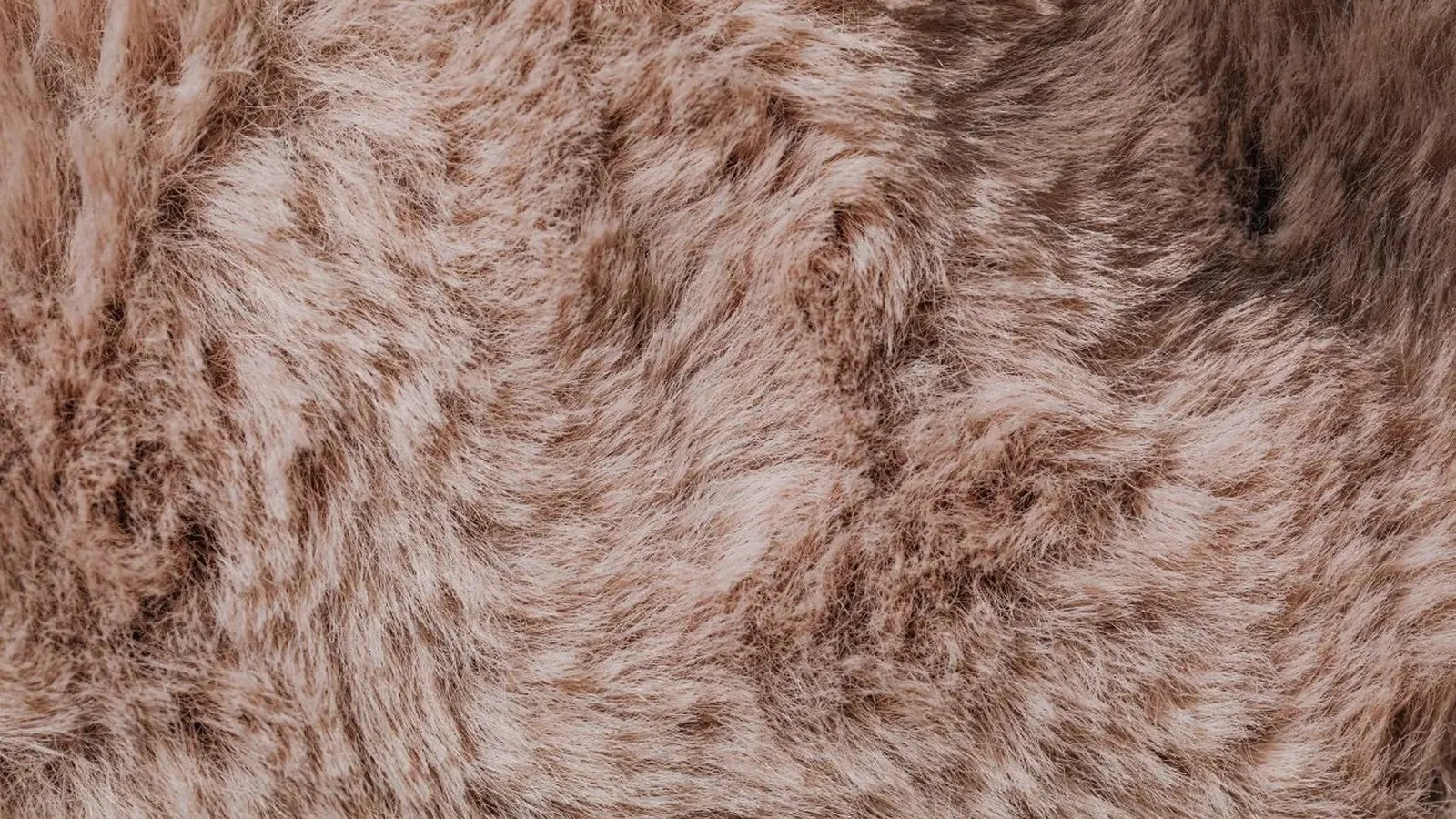
Ultimate Guide to Hemp-Lyocell Blends: Uses and Benefits
A hemp-lyocell blend joins hemp's strength and UV resistance with lyocell's softness and closed-loop production. Here's how the ratio, yarn counts, greige and dyed formats, and uses work.

Replacing Nylon Fabric With Hemp & Lyocell, No Microplastics
Nylon dominates hosiery, activewear, and swimwear. A hemp-lyocell blend matches its strength and stretch while ending the microplastic shedding of every wash.